

Planning vs Reality:
How Much Planning Is Too Much on a Trip?
Every trip starts with a plan. We try to think ahead, make good choices, and avoid the obvious mistakes. Sometimes it works. Sometimes it doesn’t. After travelling to many countries, we’ve learned that planning can be helpful, but it can also get in the way. Some of our favourite moments happened when plans changed, or when we didn’t really have one at all. This is just a few things we’ve learned about what planning can (and can’t) do once you actually arrive.
Chapters

01
When Planning Felt Like Safety on Trips
When we first started traveling internationally, we planned everything.
Routes, accommodation, transport, daily activities, it all lived somewhere in a document or spreadsheet. Having a plan made unfamiliar destinations feel manageable. It gave us confidence before we’d earned it.
And honestly, at that stage, it helped.
Planning reduced travel anxiety. It gave structure to places we didn’t yet understand. It made travel feel possible instead of overwhelming.
But it also set an expectation: the plan was something to follow, not something to adapt.

02
When the Travel Itinerary Became the Problem
Somewhere along the way, planning stopped feeling helpful and started feeling heavy.
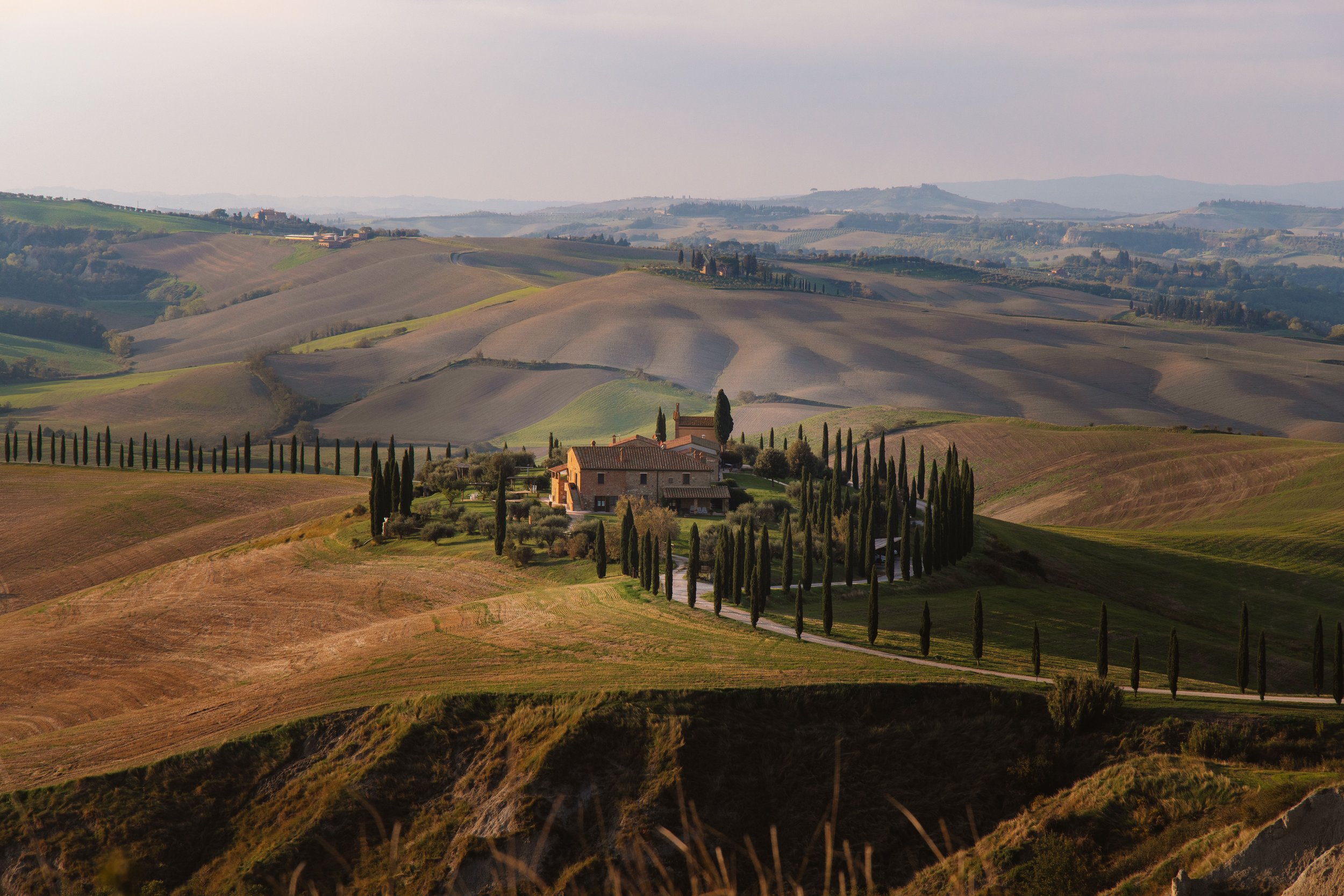
Trips began to feel rushed. We’d leave places we liked earlier than we wanted because something else was scheduled. We stayed longer in places we didn’t love because we’d already booked accommodation. We felt guilty for resting because “we could be doing more.”
Nothing was technically wrong, but something felt off.
We realised we were prioritising the itinerary over how we actually felt in a place. The plan had become the goal, instead of the experience.
03
When Trip Planning Truly Helps
We didn’t stop planning altogether, we just got more selective. There are situations where planning genuinely makes travel easier:
Logistics heavy destinations
Some countries or regions are harder to navigate. Transport runs infrequently. Distances look short on a map but take all day in reality. In these cases, planning saves time, money, and unnecessary stress.
Short or time-limited trips
When you only have a few days, having a rough structure prevents losing half the trip to indecision.
Accommodation in high-demand areas
Arriving tired and trying to “figure it out” rarely ends well. Booking the first nights or high-demand stays in advance saves frustration.
Planning works best when it removes friction, not when it dictates every move.

04
When Planning Took Away Spontaneity
The effects of overplanning weren’t obvious at first.
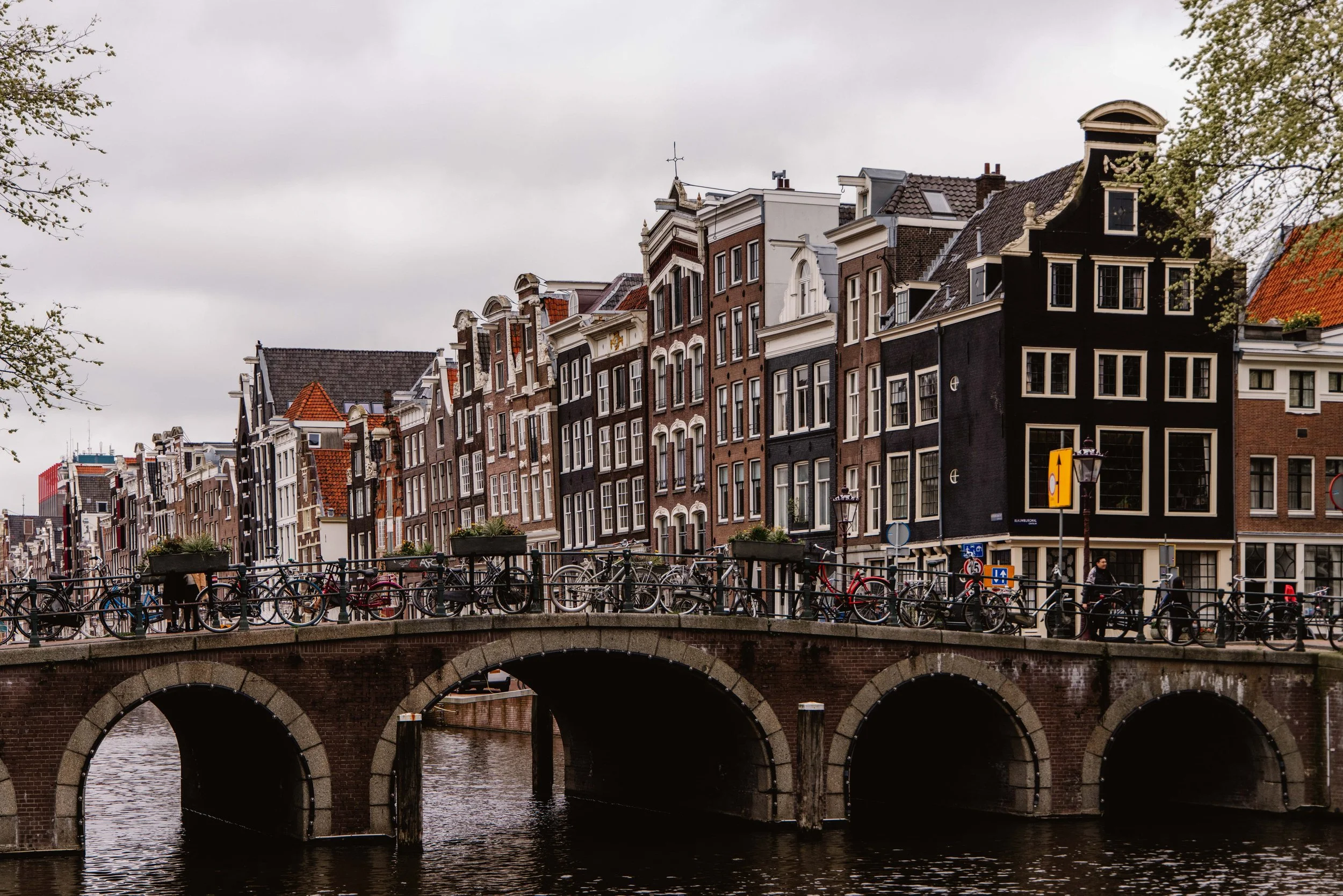
We ignored our energy levels and pushed through days when we should’ve slowed down. We passed on spontaneous moments because they didn’t fit the itinerary.
Some of our least enjoyable travel days weren’t chaotic, they were simply overfilled and over planned. And some of our best travel memories happened on days with no plan at all. Flexibility isn’t the absence of planning; it’s leaving space within it.
05
What We Plan Now, and What We Don’t
Our approach today is simpler and less stressful.
What we plan in advance
• First accommodation in a new city or country
• Long-distance transport with limited options
• Visa related logistics
• Experiences we’d genuinely regret missing
What we leave flexible
• Daily sightseeing
• How long we stay after the first few nights
• Restaurants, cafes, and neighbourhoods
• Most day trips
Our rule is simple:
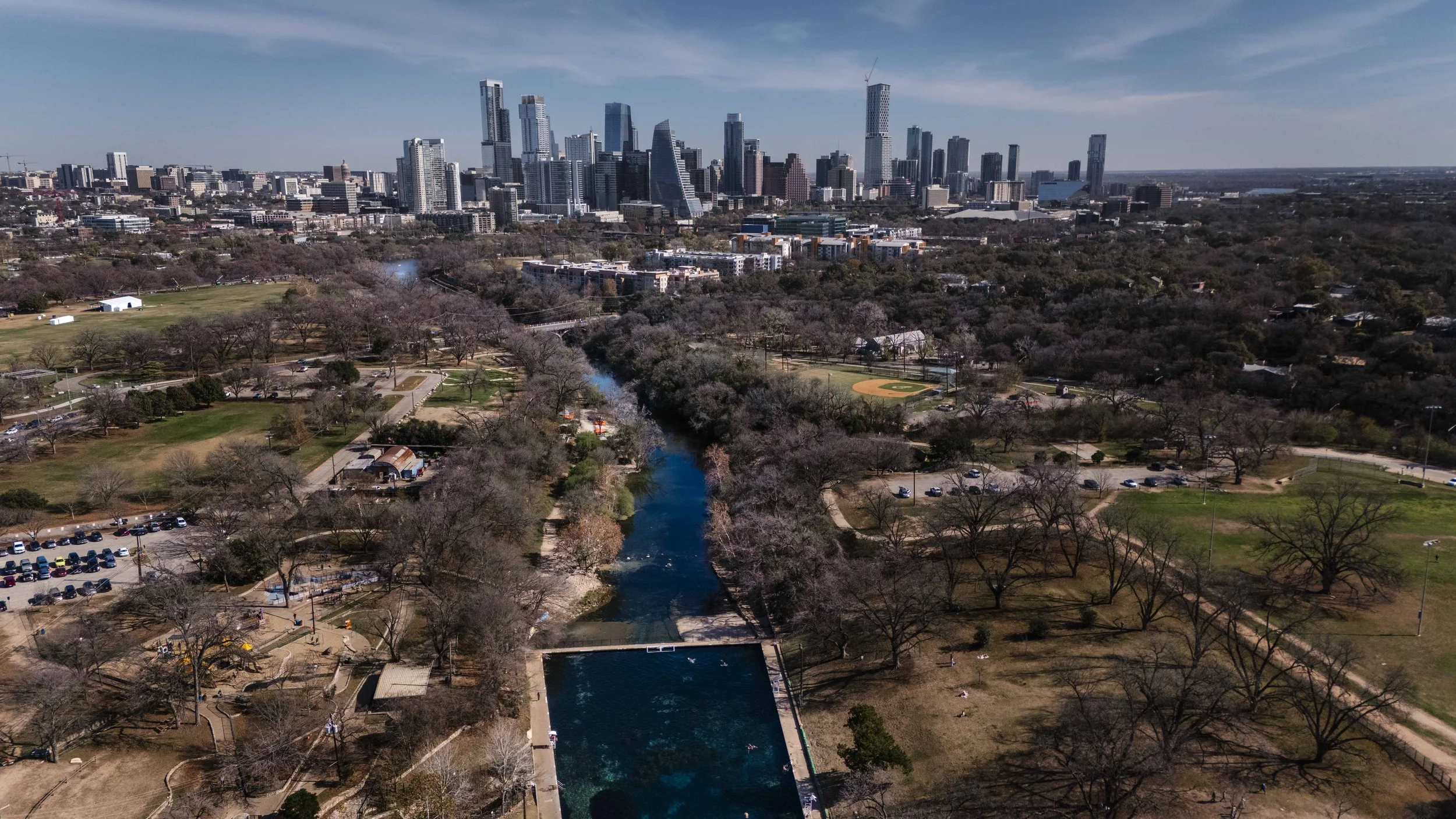
Plan what would be stressful to sort out last minute.
Leave the rest open to reality.
06
The Travel Tools We Still Use (and the Ones We Don’t)
We still use tools, but differently.
Tools we rely on
Google Maps: saving places and offline navigation
Notes app: loose ideas, reminders, and backup plans
Booking platforms: checking availability and prices, not committing immediately
Tools we stopped using
• Hour-by-hour itineraries
• Overcomplicated spreadsheets
• Overloaded lists of “must-see” attractions
• Planning apps that require constant updates
Having more information didn’t make travel easier, it just made decisions harder.

07
How We Think About Planning Before a Trip
Before a trip, we ask ourselves a few questions:
What would cause stress if we didn’t plan it?
What can easily change once we arrive?
How much energy do we realistically want to have each day?
We plan just enough to feel grounded and leave room to adjust. Once we arrive, we reassess. Because no amount of planning fully survives reality.

08
What We’d Tell Ourselves at the Start
There’s no perfect amount of planning.
You’ll plan too much sometimes. You’ll plan too little other times. Both are part of figuring out how you like to travel.
Mistakes aren’t failures, they’re feedback.
The goal isn’t a perfectly optimized itinerary. It’s a trip that still feels good while you’re in it.
Planning should support your experience, not control it.
If it ever starts to feel like the itinerary matters more than the place, you’re probably planning too much.